A photo that is right can make someone directly book a travel ticket. On the other hand, bad photos can make even the best tourist destinations look unattractive in the eyes of potential tourists. In an era where the decision to visit a place is increasingly influenced by visual content on social media, promotional photos of tourist objects are no longer just complements, this is the spearhead of destination marketing strategies.
This article thoroughly explores examples of effective tourist attraction promotion photos, photo shoot techniques that are proven to produce high-quality content, and visual strategies that you can immediately apply to promote your destination more professionally.
Why do promotional photos determine the success of destination marketing?
The human brain processes images 60,000 times faster than text, and 90% of the information received by the brain is visual. This fact makes the quality of promotional photos the first determining factor whether someone will be interested or ignore a tourist destination.
Research in Journal of Travel Research (Sage Publications, 2021) Found that high-quality visual content on digital platforms is directly correlated with increased intent of visiting tourists. Destinations that consistently publish quality promotional photos have increased interest in visiting up to 63% higher than destinations with minimal visual content.
In Indonesia, this trend is getting more real. Report We are social and Hootsuite (2023) Note that Indonesia is one of the countries with the highest level of visual content consumption on social media in the world, making promotional photos a marketing instrument for destinations that we cannot ignore.
Also read: Disassemble! how to promote anti-failure attractions
examples of effective tourist attraction promotion photos
Understanding what a promotional photo looks like that works effectively is the first step before you start shooting. The following are the categories and examples of promotional photos of tourist objects that are proven to produce high engagement:
1. Landscape photo with Golden Hour Lighting
Photos of natural landscapes taken during the Golden Hour 30–60 minutes after sunrise or before sunset produce a golden warm glow that dramatically increases the visual beauty of the destination. For example, a photo of Mount Bromo at sunrise, a stretch of Tegalalang rice fields in Ubud in the afternoon, or a coastline that reflects the light of the sunset.
2. Photo of Human Interest with Local Activities
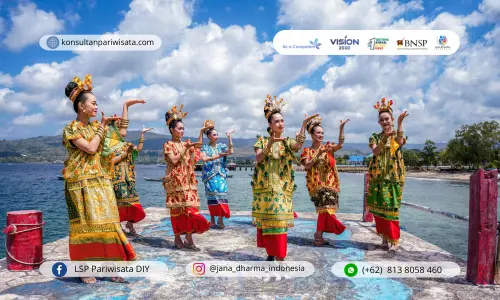
Photos featuring people, tourists or local residents in authentic activities are much easier to evoke emotions and connections than empty landscape photos. For example: farmers who work in terraced rice fields, fishermen who pull nets on the beach, or tourists who enjoy local culinary delights with happy expressions.
3. Photo Details of Culture and Architecture
Close-up details of temple ornaments, traditional carvings, or textures of historical buildings create curiosity that encourages people to visit their destination in person. These photos work very well as carousel content on Instagram.
4. Aerial or Birds Eye View
The perspective from above reveals the beauty of the destination that is not visible from a normal point of view. Aerial photos of volcanic craters, terraced rice patterns, or the density of the old city from a height always produce stunning visuals and easily go viral.
5. Before-after or seasonal transformation
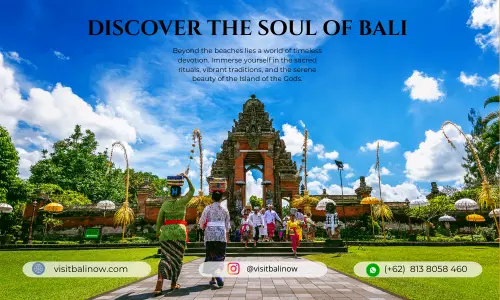
Displays the same destination under different conditions, dry season vs. Rainy season, morning vs. Evenings provide a new dimension that enriches the destination’s visual narrative and encourages repeated visits. The following is an example of a tourist attraction.
Also read: The Role of Tourist Attractions in Building Sustainable and Competitive Destinations
Teknik Memotret dalam Promosi Destinasi Wisata
Having a good camera does not automatically produce effective promotional photos. You need to master the right shooting techniques to maximize the visual potential of each destination.
1. Master the Rule of Thirds for an alluring composition
Rule of Thirds is the basic composition principle of photography where the frame is divided into nine equal parts by two horizontal lines and two vertical lines. Place the main elements of the horizon, subject, or focal point photo Along the line or point of intersection to produce a more dynamic and visually appealing composition.
According to Cambridge in Color, an internationally recognized academic photography reference, the consistent application of the Rule of Thirds is one of the strongest distinguishing factors between ordinary photos and photos that immediately attract attention.
2. Take advantage of leading lines to direct your eyes
Leading lines are visual elements such as paths, rivers, fences, or coastlines that naturally direct the viewer’s eyes to the main focal point of the photo. This technique is very effective for photos of tourist destinations because it creates visual depth and a sense of travel that invites viewers to get into the image.
3. Pay attention to the foreground, midground, and background
Promotional photos of the best destinations always have three harmonious visual layers. Attractive foregrounds such as wildflowers, rocks, or grass add dimension and context. Midground is the main element of the destination. The background strengthens the overall atmosphere. The combination of the three produces photos that are rich in visual narratives.
4. Use natural light to the maximum
Light is the raw material for photography. For promotional photos of outdoor destinations, avoid shooting in the harsh midday direct sunlight and creating unaesthetic shadows. Golden Hour and Blue Hour about 20–30 minutes before sunrise are the best times that always produce photos with premium light quality.
5. Long exposure technique for dramatic effect
Long exposure or using a slow shutter speed produces dramatic visual effects such as a waterfall that looks like silk, a star trajectory in the night sky, or a vehicle light that becomes a line of light. This technique is very effective in creating destination photos that immediately distinguish themselves from thousands of similar photos on social media.
6. Consistency of editing and color tone
Promotional photos published sporadically with different editing styles will make your destination social media feeds look unprofessional. Set a consistent, warm color preset or tone for tropical destinations, cool blue for beach destinations, or vintage warm for heritage destinations and apply consistently to all your visual content.
Also read: The surefire trick to promote tour packages to attract thousands of tourists!
Common Mistakes in Tourism Object Promotion Photos
Understanding the mistakes that are often made is as important as mastering the right technique. Here are the most common errors encountered:
Too many unnatural filters
Oversaturation and excessive editing actually make photos look inauthentic and lower the trust of potential tourists.
Ignore the human element
Photos of destinations that are too sterile without the presence of humans often feel cold and less inviting. Present humans as elements that bring the story to life.
Not paying attention to the cleanliness of the frame
Garbage, electrical cables, or irresistible elements that you don’t realize entering the frame will immediately damage the quality of promotional photos no matter how tight the location is.
Low resolution for digital content
Low resolution photos that look broken when enlarged are signs of unprofessionalism that directly reduce the perception of destination quality.
Also read: It turns out that this is the cost of promoting popular tourist destinations!
From a good photo to a strong promotional strategy
Mastering good photographing techniques is an important foundation. However, good photos still require the right distribution strategy to really have an impact on tourist visits. Which platform is the most effective? When is the best posting time? How to take advantage of UGC from tourists? How to integrate promotional photos into a comprehensive digital marketing strategy? All of these are questions that a comprehensive tourism promotion strategy must answer.
Ready to master the promotion of tourism professionally?
Good photography techniques are just one part of an effective tourist destination promotion ecosystem. To really bring in tourists, you need an integrated strategy from visual content, social media, cabbage collaboration, to measurable digital marketing.
Join the Tourism Promotion Training only with us Specially designed for destination managers, tourism marketing teams, and anyone who wants to take tourism promotion to the next professional level.
The advantages and benefits you get:
- Travel Promotion Photography and Videography Techniques: From composition, lighting, to professional editing
- Tourism-specific social media content strategy: Instagram, TikTok, YouTube, and Google Business Profile
- Collaboration Guide for Collaboration with UGC: Maximizing the content of tourists as an organic promotion
- Visual Content Performance Analysis: Read data engagement for smarter content decisions
- Destination promotion content calendar template: Ready to use for your destination
- Strategies to reach Gen Z tourists: Proven Conversion Proven Authentic Approach
- Guidance from experienced tourism promotion practitioners: Not just theory, but practice that you can directly apply
- Official Certificate: Proof of competence recognized by the tourism industry
- Active Alumni Community: network of tourism managers and promoters from all over Indonesia
Register now before the quota runs out, because successful tourist destinations need promoters who master the visual arts as well as digital strategies that are right on target!
For free consultation, contact us via:
WhatsApp: +62 813 8058 460 or +622123569054
Instagram: @jana_dharma_indonesia
Email : lspp.janadharmaindonesia@gmail.com